

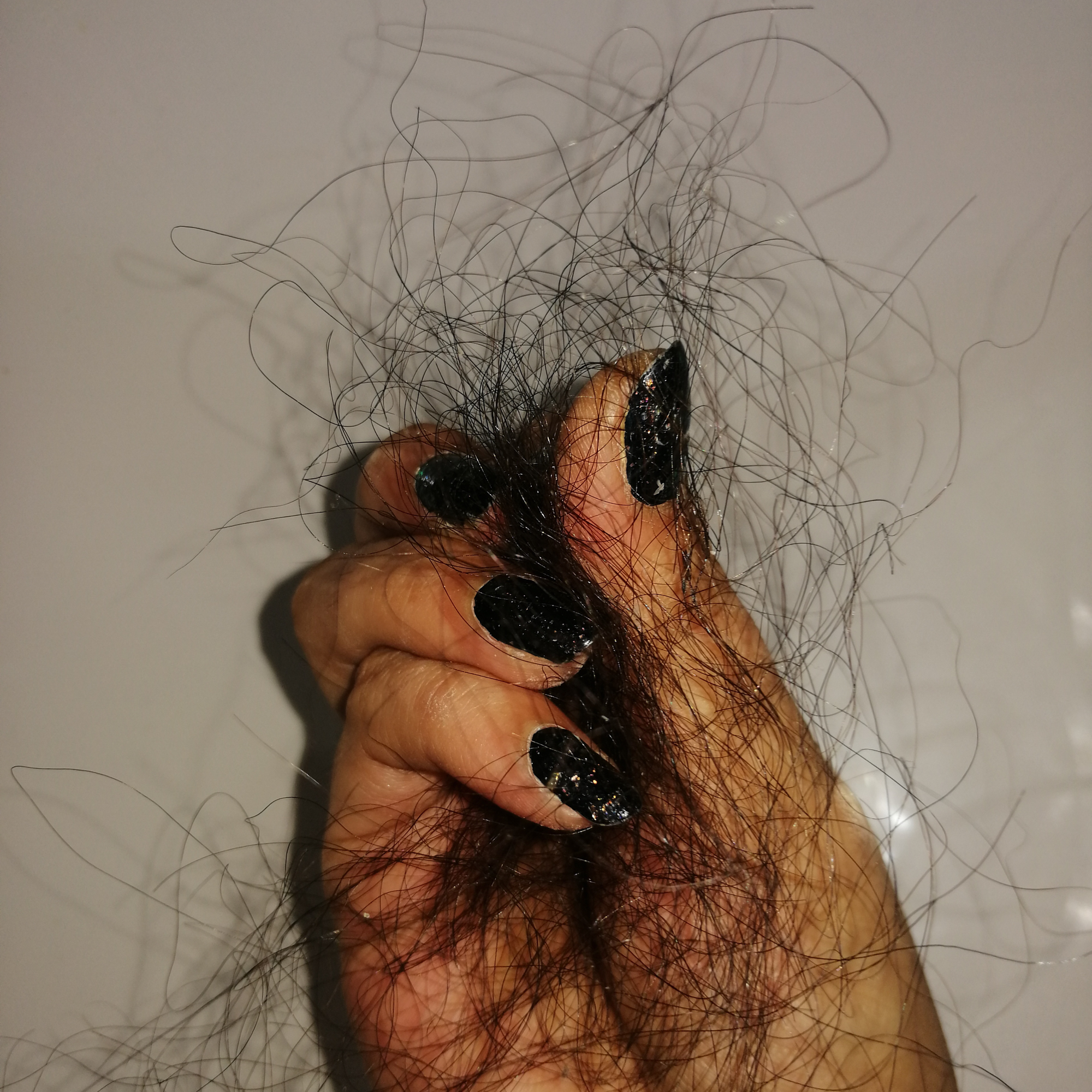
Seeing more hair in your comb, shower or detangling brush can be unsettling. Some people notice changes in shedding at different times of year, but not every increase is seasonal and not every strand you see is actually shedding.
The first useful step is figuring out whether you are dealing with shedding or breakage.
Shedding vs. breakage
Shedding happens when a full strand releases from the follicle as part of the hair's normal growth cycle. Breakage happens when the strand snaps somewhere along its length.
Dryness, rough detangling, friction, tight styles and chemical or heat damage can all make breakage more noticeable. A gentle, consistent routine can help protect the hair you already have, but hair products cannot guarantee faster growth or stop shedding caused by hormones, illness, medication, nutrition or other health factors.
What to do when you notice more hair than usual
- Detangle gently. Use plenty of slip and work from the ends upward instead of pulling through knots.
- Keep wash day consistent. Cleanse the scalp as needed and condition thoroughly instead of stretching wash day simply because the weather changed.
- Pay attention to your ends. Dry, splitting or rough ends may need a trim and more protection from friction.
- Protect your hair overnight. Satin can help reduce friction while you sleep.
- Keep styling tension reasonable. Protective styles should not hurt, pull or leave your scalp sore.
Keep moisture in your routine
Season changes can make a steady routine feel even more important. Our free Moisture Retention Guide walks you through how to moisturize, seal and protect your curls without product overload.
Get the free Moisture Retention Guide
Want the routine already put together?
The Moisture Retention Essentials Kit combines our Deep Conditioner, Tree-O moisture routine and Luxe Satin Bonnet. Choose the Starter version if you want to try the routine in smaller sizes, or PRO if you want the full-size Tree-O.
If the products you already own are doing the same jobs well, finish those first. The goal is a routine you can repeat, not a shelf full of products.
When to get professional help
If shedding is sudden, heavy, persistent, patchy, painful, or accompanied by scalp changes or other symptoms, talk with a dermatologist or healthcare professional. A hair-care routine can support the condition and handling of your hair, but it should not be used to diagnose or treat unexplained hair loss.

